Help Ben Launch His First Book
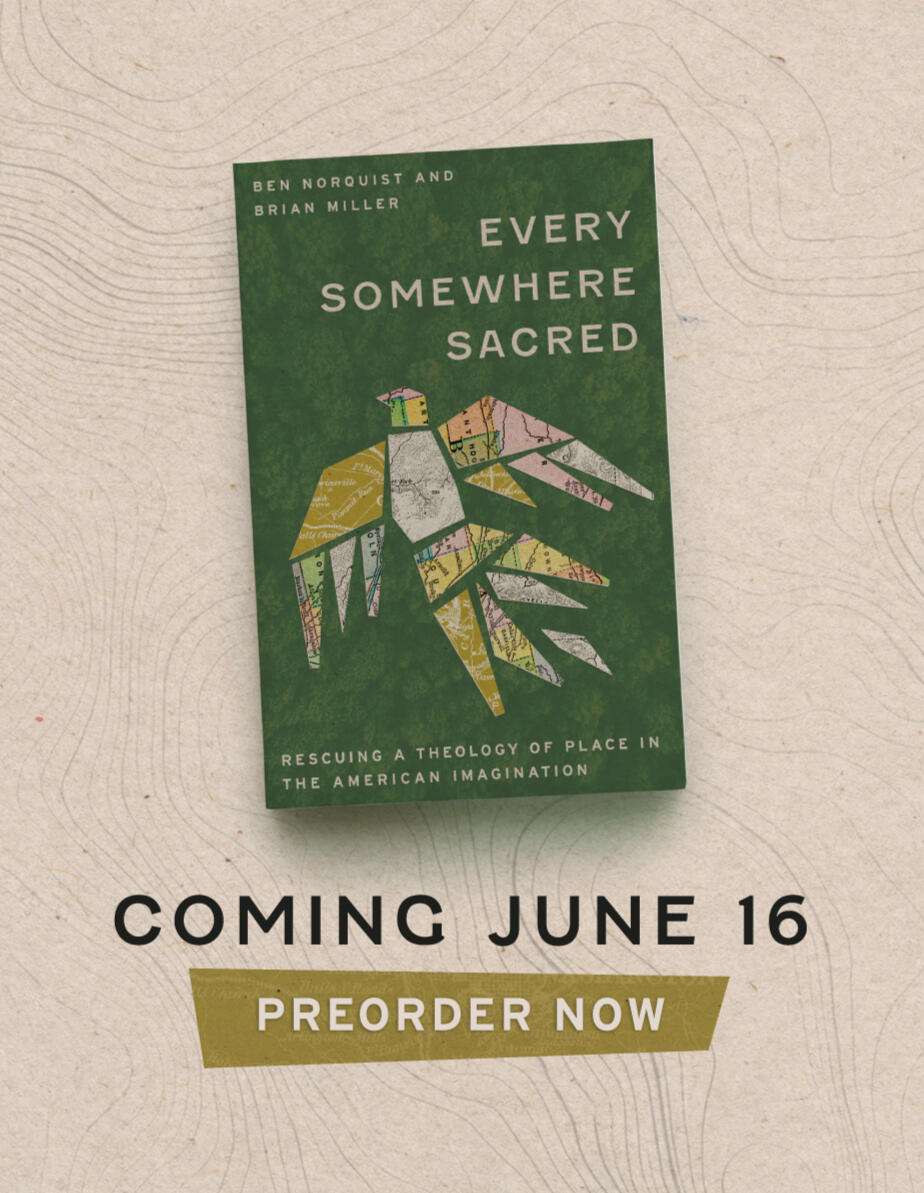
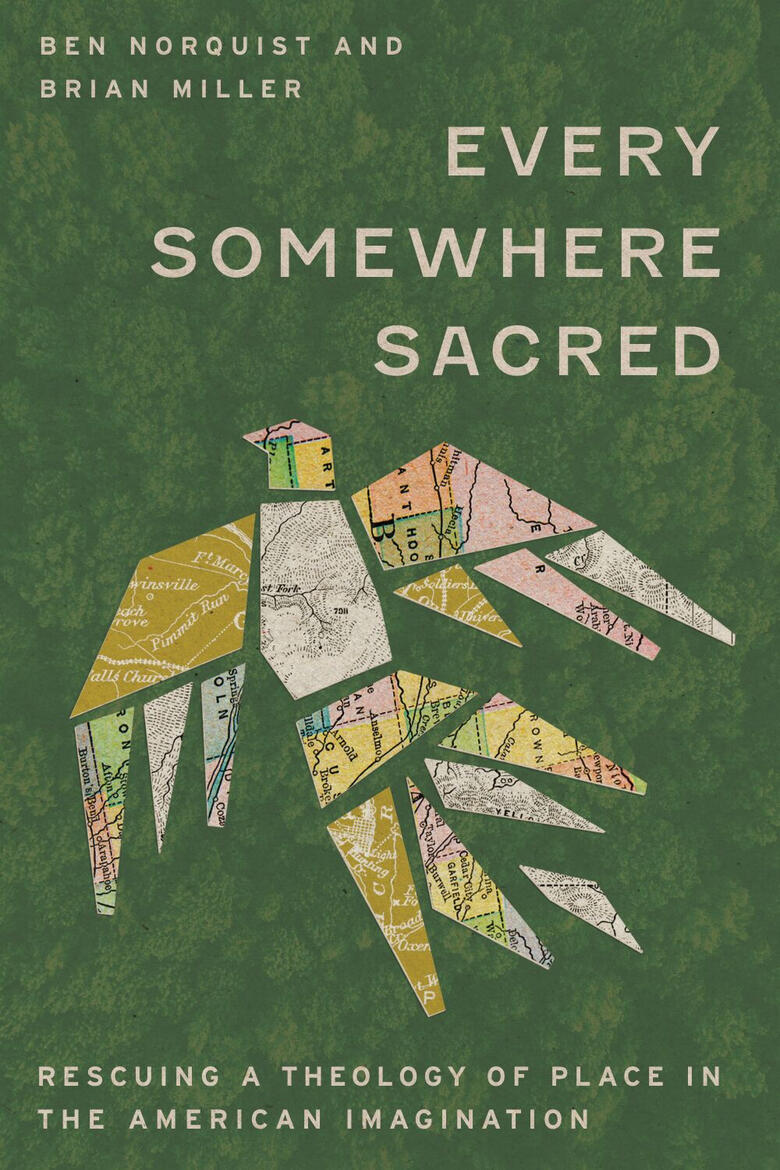
Ben's new book, Every Somewhere Sacred (IVP Academic) explores how Christians can rediscover the spiritual significance of place. Drawing on Scripture, theology, and lived experience, the book invites readers to see land, community, and responsibility with fresh eyes.Help Ben launch his first book by preordering now and leaving a review as soon as you can.
Early Praise
Wow. Mesmerizing and obviously very well thought through. This book is going to be remarkable, perhaps a watershed. The time is right! I hope this book comes soon, before our nomadic and placeless lifestyles become further ingrained in the social imagination of our churches.Byron Borger, owner Hearts and Minds Books
Important, innovative books are sometimes called groundbreaking. This book is that, but even more so, it is groundhealing. It offers 'Christian practices for living faithfully as members of our human geographies.' Beautifully written, rich with historical insight, and prophetic in its practical, ethical implications, these pages invite Christians back into the sacred space of our world that is all around us and full of God.Andrew DeCort, author of Reviving the Golden Rule
In a culture where we are increasingly untethered to the land and to our neighbors, we are in desperate need of theology that quite literally grounds us. Every Somewhere Sacred does just that, offering a profound and essential invitation to reimagine the power of place.Amanda Held Opelt, author of A Hole in the World
We lack meaningful connection to the land, to its histories, and to the ways in which we shape and are shaped by both. This lack is particularly sobering given the importance of place in the story of scripture. But how might we learn to understand and inhabit the places we live? In their timely book, Norquist and Miller offer a robust, interdisciplinary, and practical guide for Christians to answer this question.Dr. Paul Gutacker, Director Brazos Fellows
The present society, country, and Christian tradition has largely encouraged people to see land as commodity. Every Somewhere Sacred invites its U.S. audience to correct their worldviews and lifeways, so that one's relationship with land mirrors more closely the Creator's design.H. Daniel Zacharias, coauthor of Reading the Bible on Turtle Island
Ben Norquist and Brian Miller’s Pilgrimage in Place is a superb example of the skilled integration of the concerns of the social sciences and theology. Every society lives with conscious or unconscious understandings of the space they inhabit. I can imagine many fruitful discussions flowing from the pages of this book, and I would highly recommend it.Dr. Gary Burge, Professor of New Testament, Calvin Theological Seminary
Become Stewards of God's Vision
Where You're Placed
It’s possible for American Christians to live everywhere and nowhere at the same time. We’re often disconnected from the places we inhabit—cut off from nature, our neighbors, people different from us, and a sense of rootedness. It’s time to imagine a better way.Each of us is placed by God in a specific "somewhere." Drawing on social science research and their experiences across American landscapes and the Middle East, Ben Norquist and Brian Miller show how Christians in the US can develop a redemptive imagination for place. Many people have uncritically accepted American cultural assumptions about land, property, home ownership, and the good life. Yet our identity as followers of Jesus should transform how we live in the physical world, even as we recognize how places shape their inhabitants.Every Somewhere Sacred explores:- tools for deeply understanding or “reading” places;
- interdisciplinary scholarship from Scripture, sociology, and theology on land and place; and
-connections between colonialism, race, social class, and American landscapes.Norquist and Miller offer a variety of personal and corporate practices including land research, reassessing priorities and habits, advocating for others, and reconsidering the nature of sacred space, prompting us toward a broader vision for how God works through space, using biblical lenses of landscape as gift, sacrament, kin, and home.Are you seeking a rooted, meaningful faith that responds to the needs of your community? If you want to dive deeper into a theology of place, Every Somewhere Sacred (IVP Academic) will help you connect to your own "somewhere" and offer guidance for becoming a steward of God's vision where you are.
Contents
INTRODUCTION: Why Americans Need a New Way to Live in PlacePART 1: Where Do We Think We Are?
1. Spatial Texts: Tools for Reading Places
2. American Land StoriesPART 2: How Did We Get Here?
3. Settler Places on Indigenous Land
4. Race and Class
5. Types of Space
PART 3: Is There a Better Story?
6. Four Themes for Rereading Bible Stories About Land
7. Swords into Ploughshares: Revising Christian Land Stories
8. Living Out Better Stories as Individuals
9. Living Out Better Stories TogetherCONCLUSION: A Renewed Approach to the Landscape
RESEARCHER | WRITER | STRATEGIST
About Ben
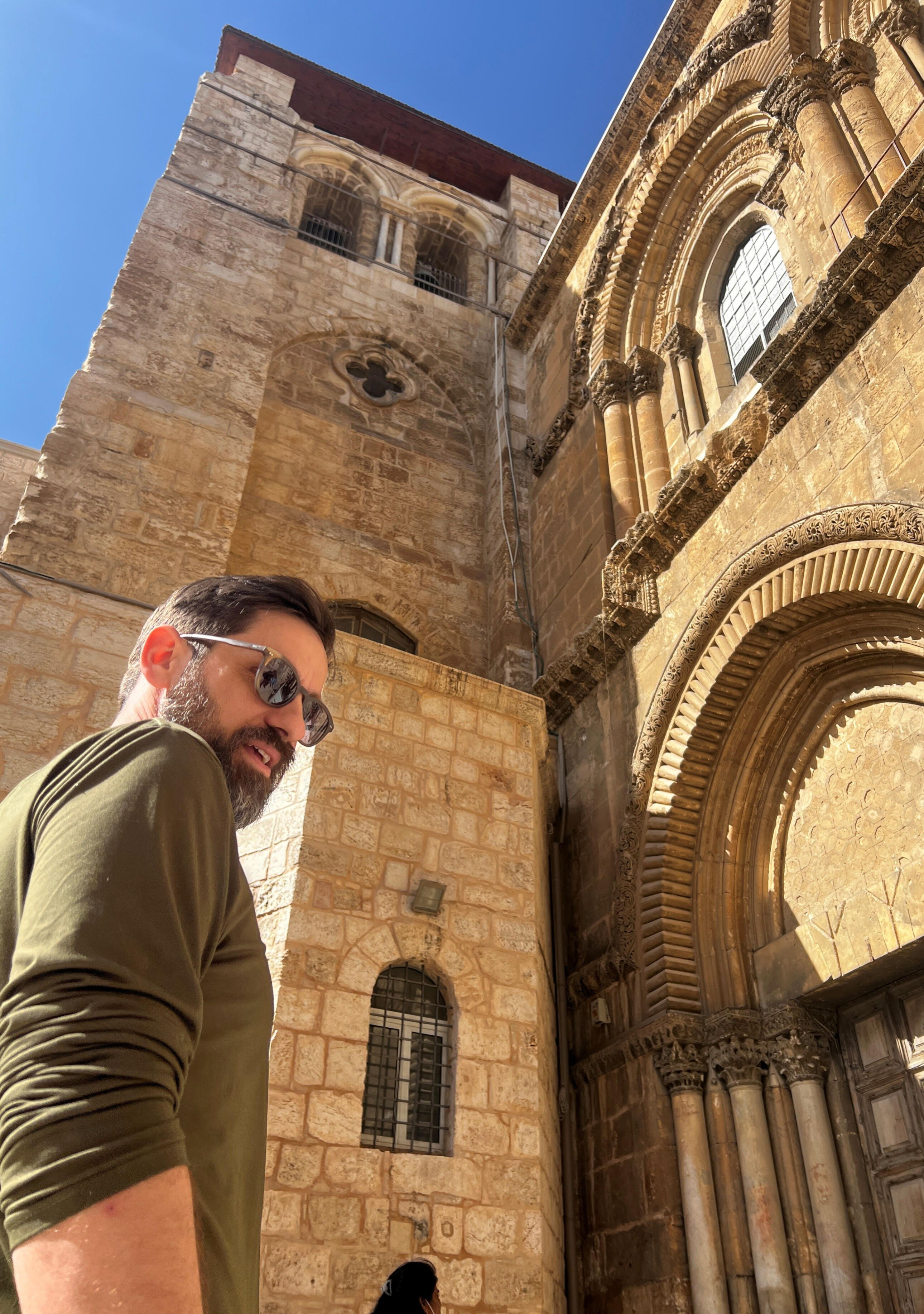
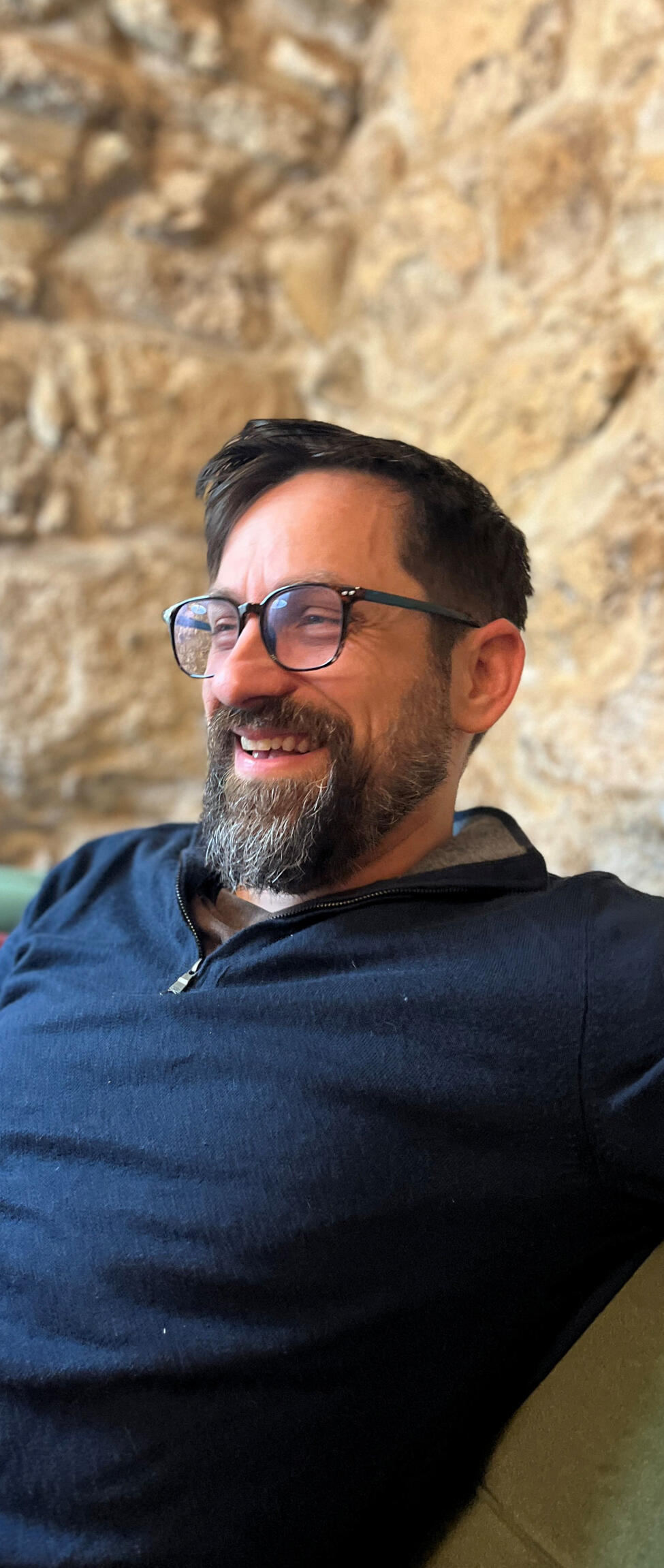
Dr. Ben Norquist is a writer, researcher, and educator whose work explores the sacredness of place at intersections of land, story, justice, and faith. He serves with the Bethlehem Institute for Peace & Justice and is Co-Director of Church at the Crossroads.Ben’s doctoral research focused on higher education in active conflict zones, culminating in a qualitative case study of Palestinian universities in Bethlehem. His writing often weaves together personal narrative, settler colonial critique, and theological reflection—most notably in his forthcoming book with InterVarsity Press, Every Somewhere Sacred: Rescuing a Theology of Place in the American Imagination (2026), which examines how American Christians imagine and inhabit the lands around them.A graduate of St. John’s College and Azusa Pacific University, Ben has held appointments and leadership roles at Wheaton College, Bryan College, Churches for Middle East Peace, and now at the Bethlehem Institute for Peace & Justice. His essays and commentary have appeared in Christianity Today, The Christian Century, Religion News Service, Sojourners, Christians for Social Action, and Baptist News Global. He lives in Glen Ellyn, Illinois, with his wife and three children.Ben is available for speaking engagements, interviews, and podcast conversations.
Articles
Appearances
Contact Me
Do you want to talk about the book, connect about one of my articles, or invite me to speak?I would be delighted to hear from you.